


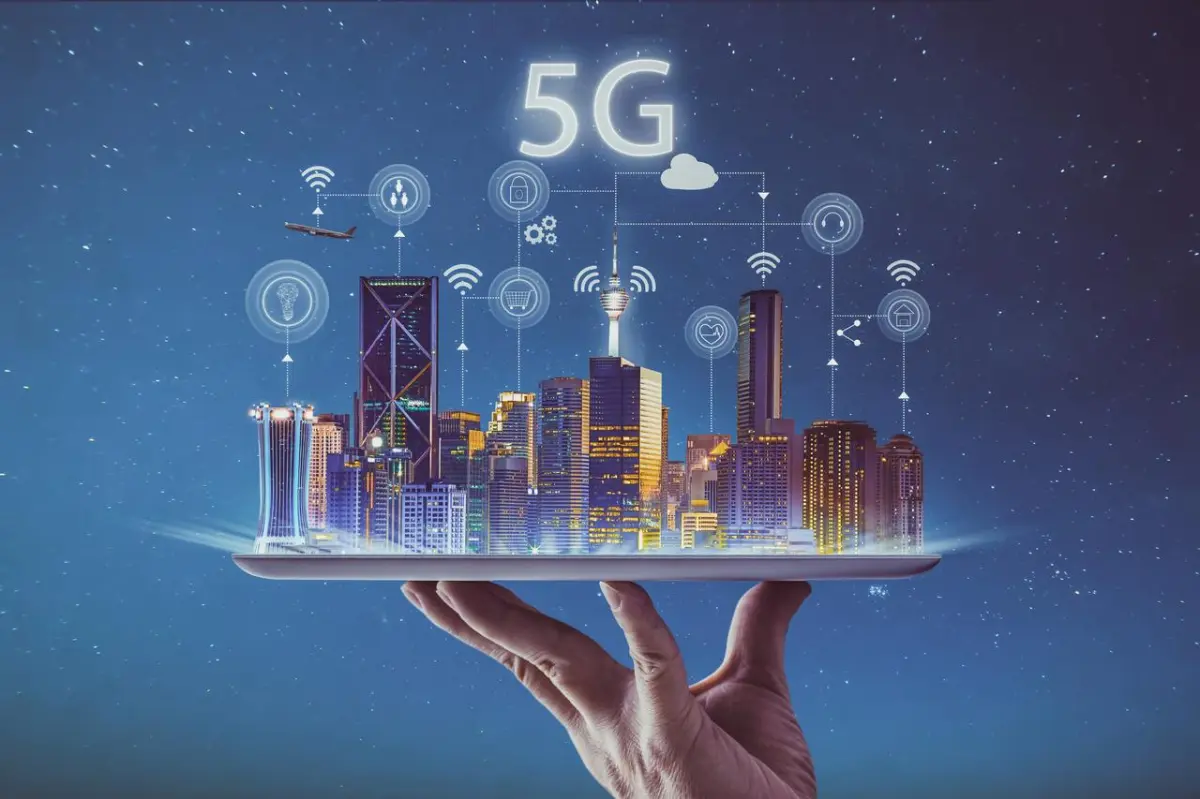
What is 5G?
You might have heard the term ‘5G’ in relation to networks and smartphones, but what exactly is it? Our experts are here to explain everything you need to know about 5G technology, the ways it can impact your smartphone experience, and how to access it.
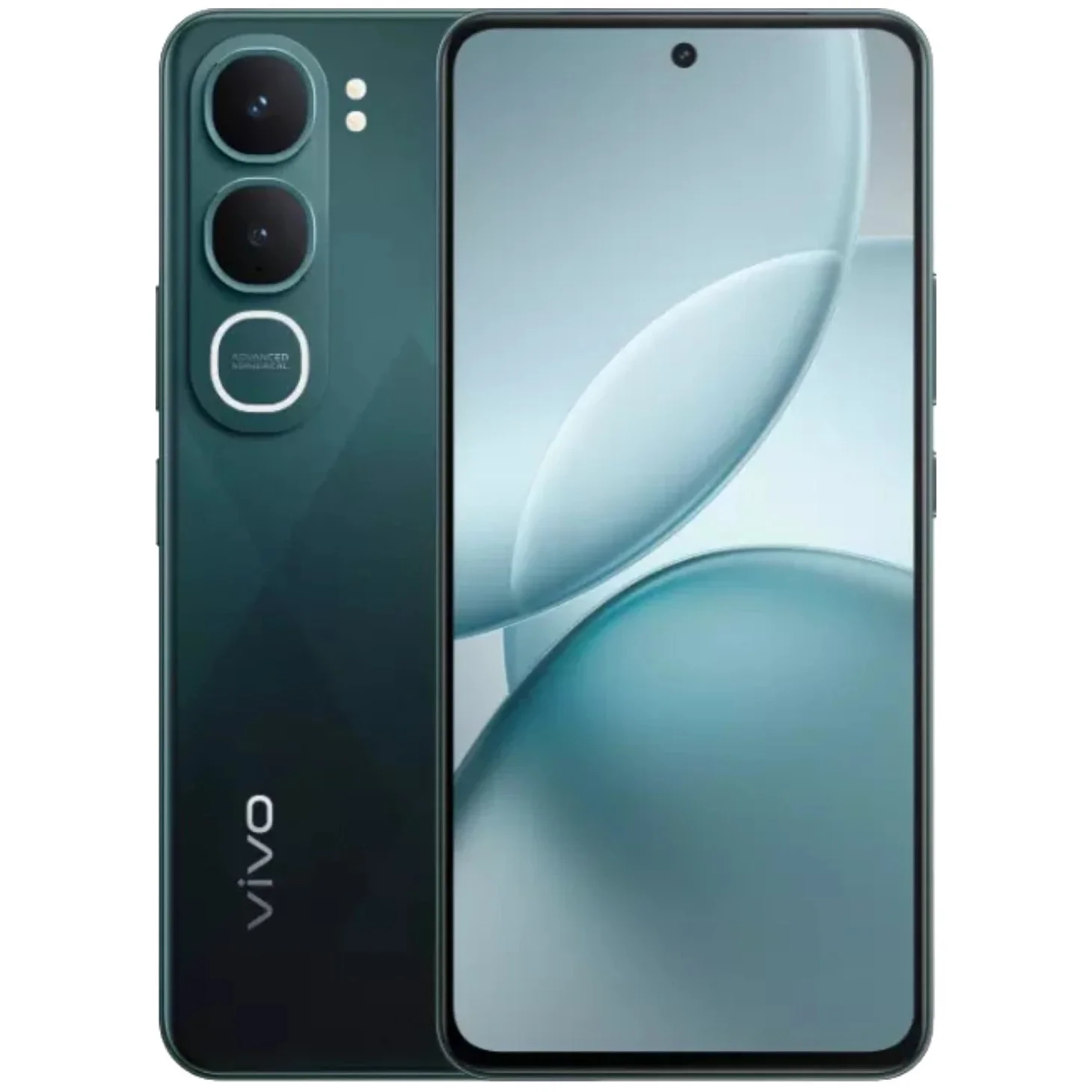
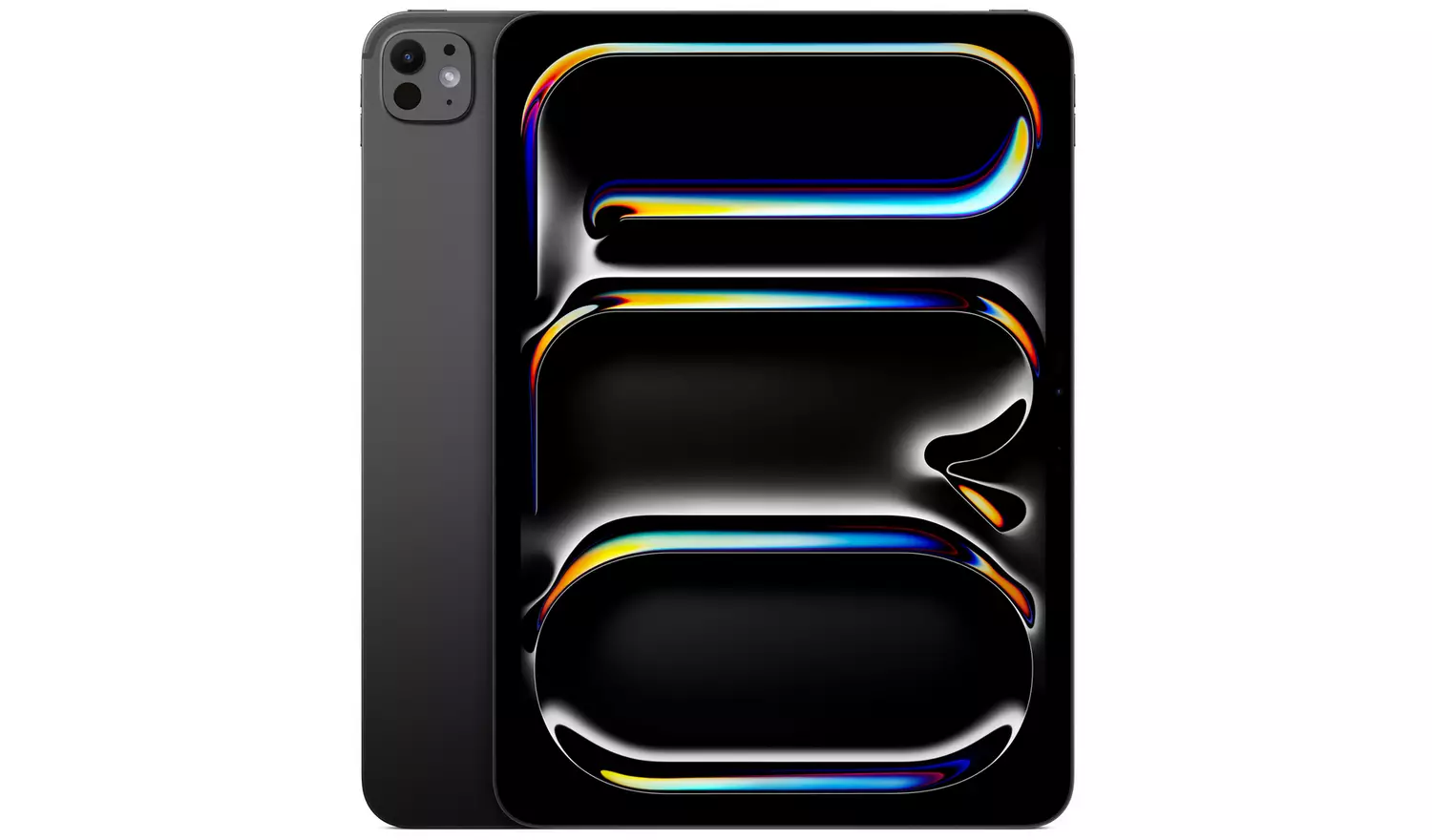
If you’re interested in picking up a compatible handset, we have you covered with our range of 5G-ready devices.
What does 5G mean?
The ‘g’ in 5G means ‘generation’, and it refers to the 5th generation of mobile network technology. Like 4G, 3G and other generations that came before it, 5G enables mobile phone users to wirelessly connect to the Internet without the need for Wi-Fi or a wired connection.
A vital component in linking phones to a mobile network is the RFFE (radio frequency front-end) module; a chip which converts digital information from the modem into an analogue signal that the network can detect.
Because it runs on faster and higher frequencies, 5G can deliver information at a more rapid speed compared to previous network generations, alongside numerous other benefits.
What does ‘5G-ready’ mean?
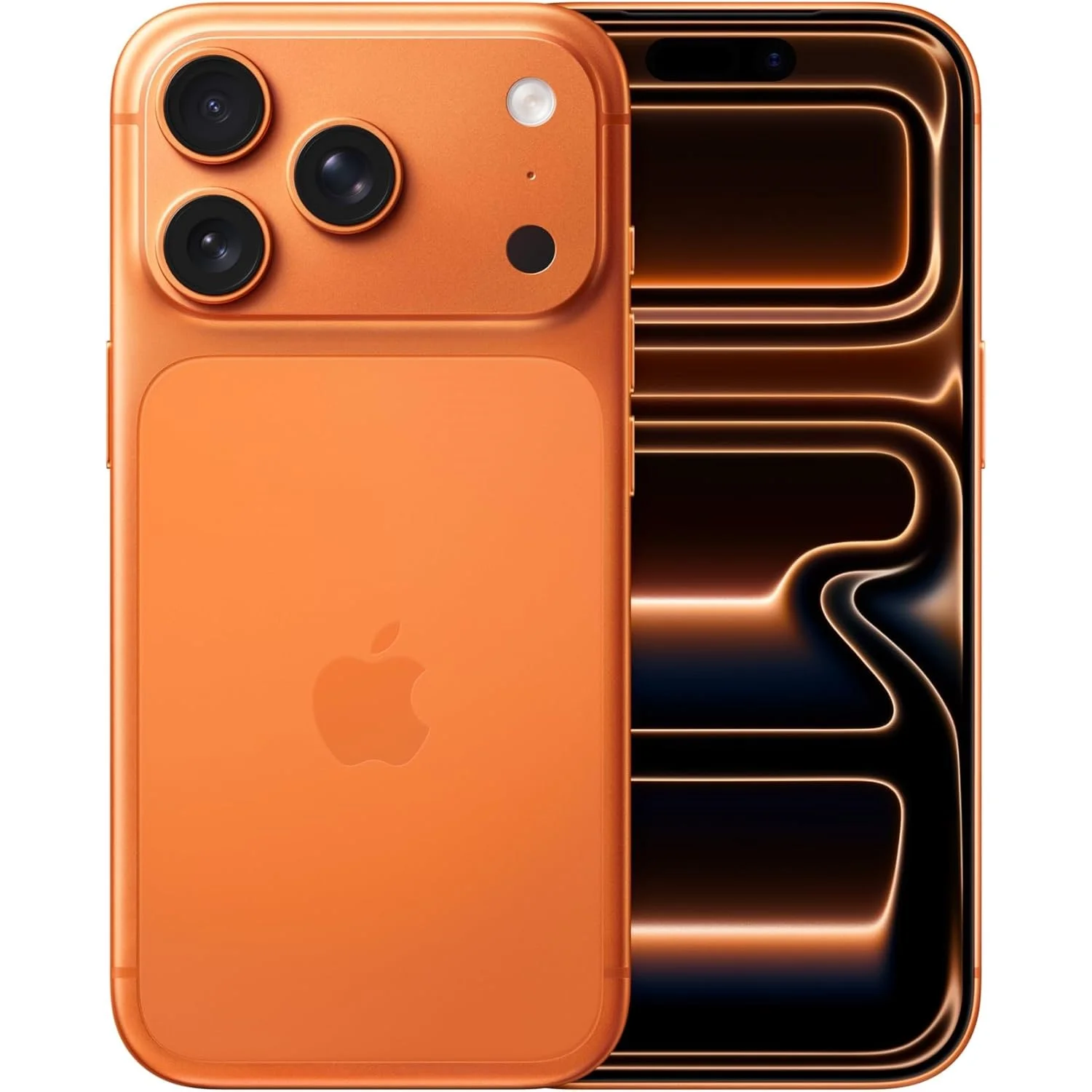
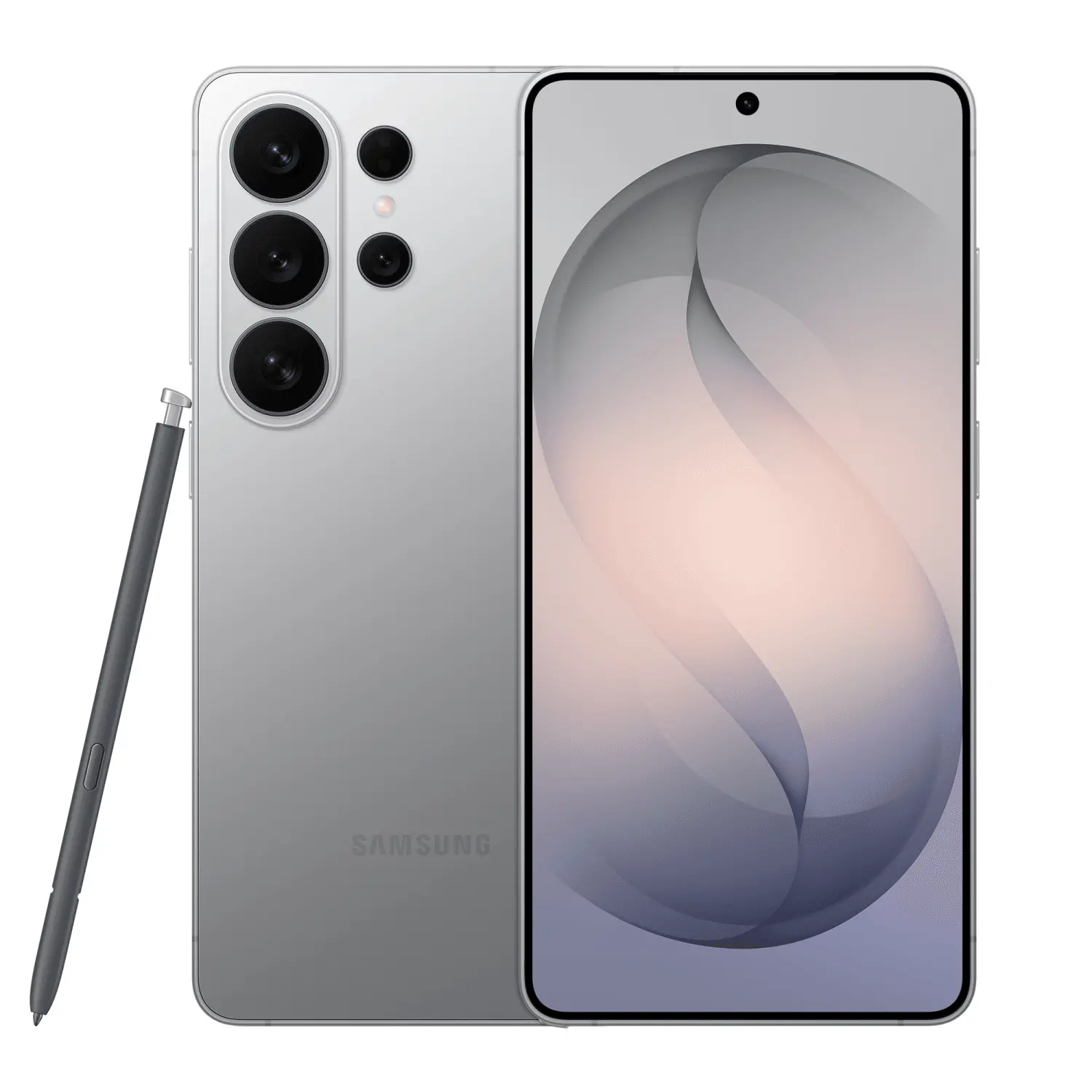
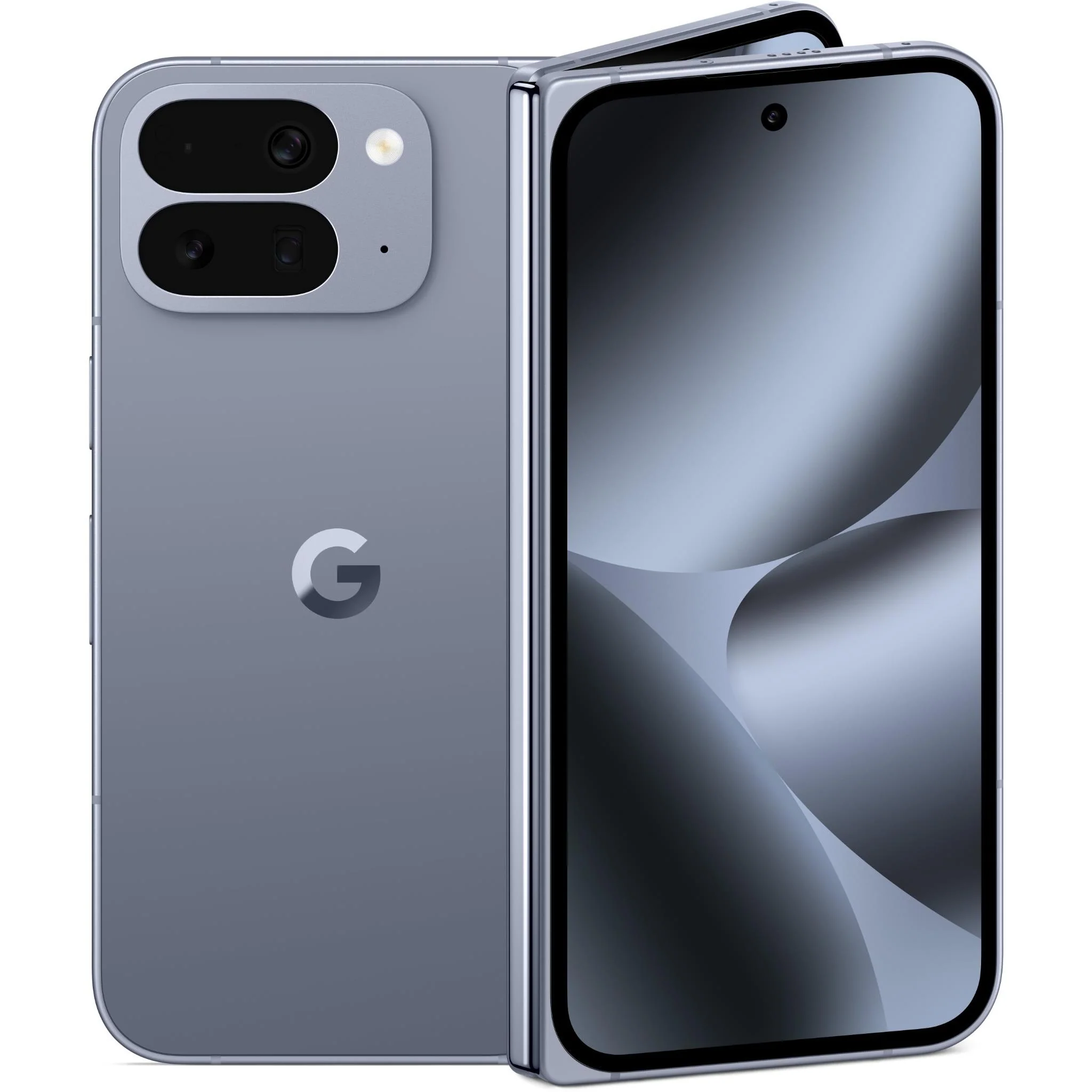
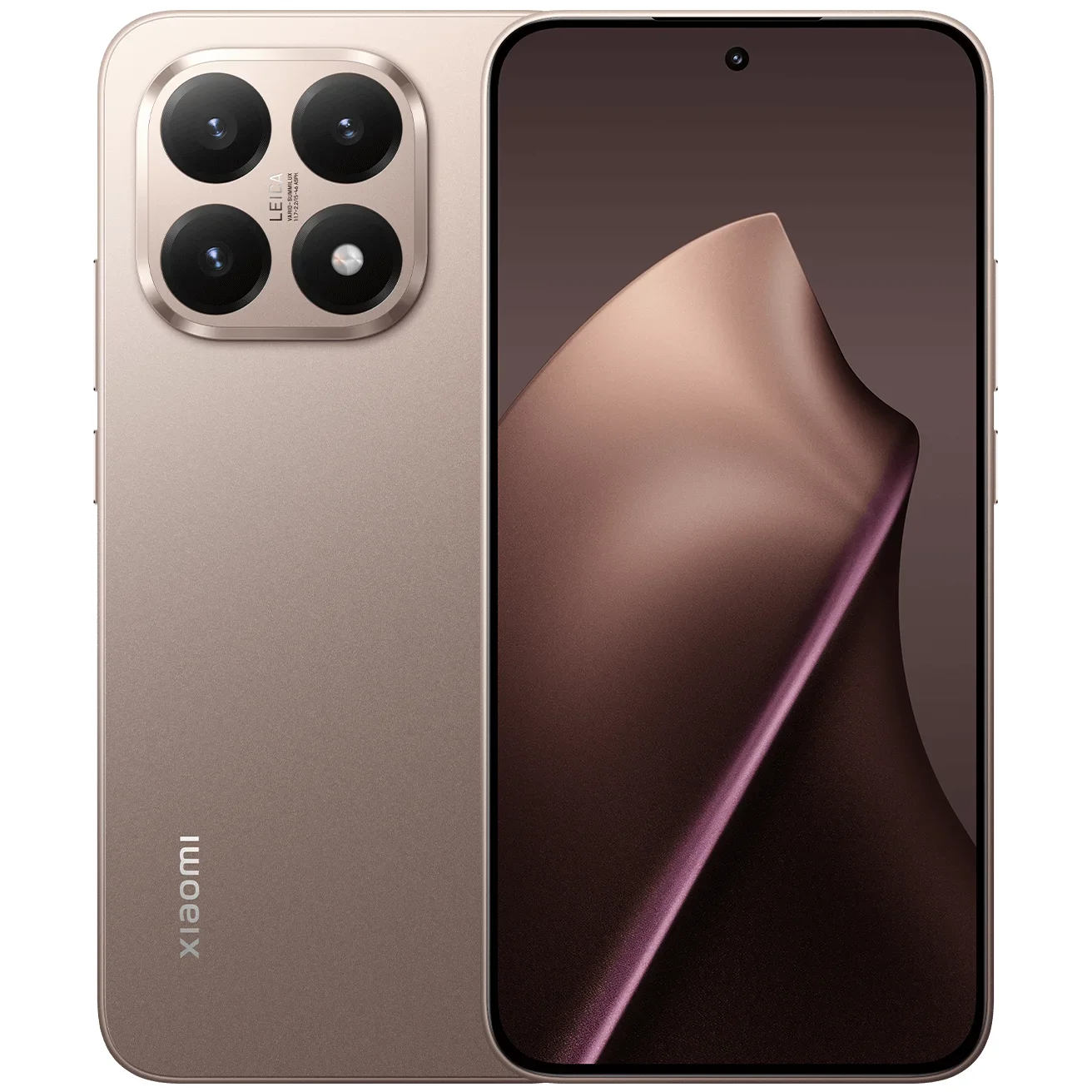
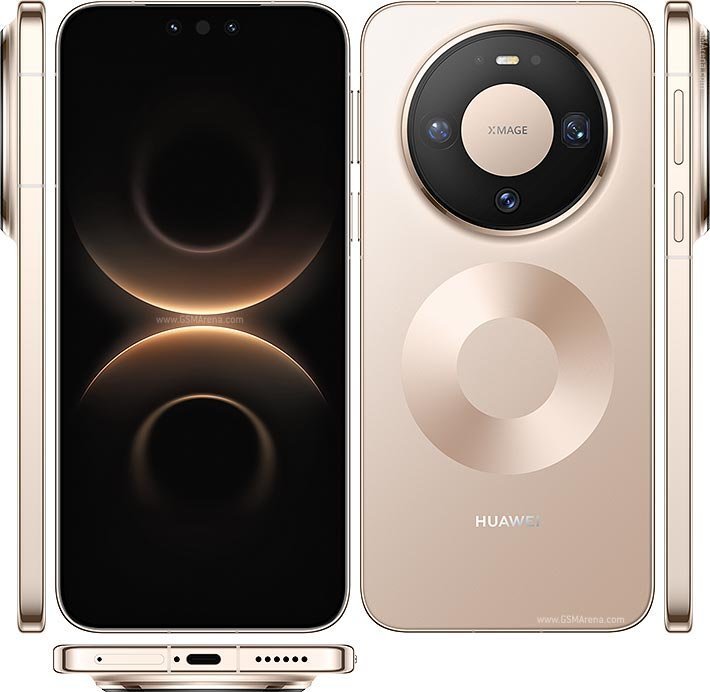
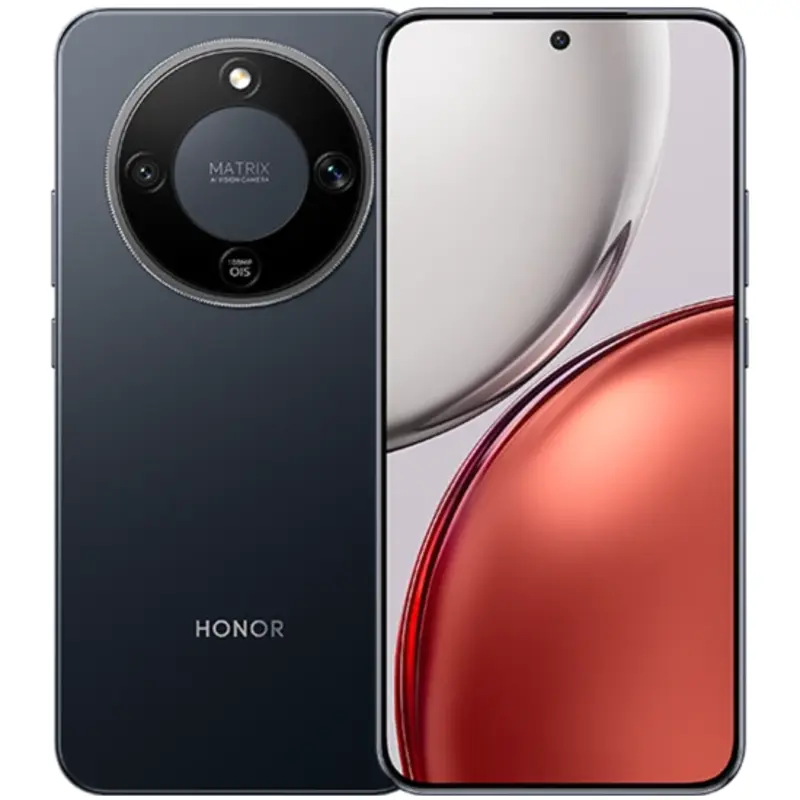
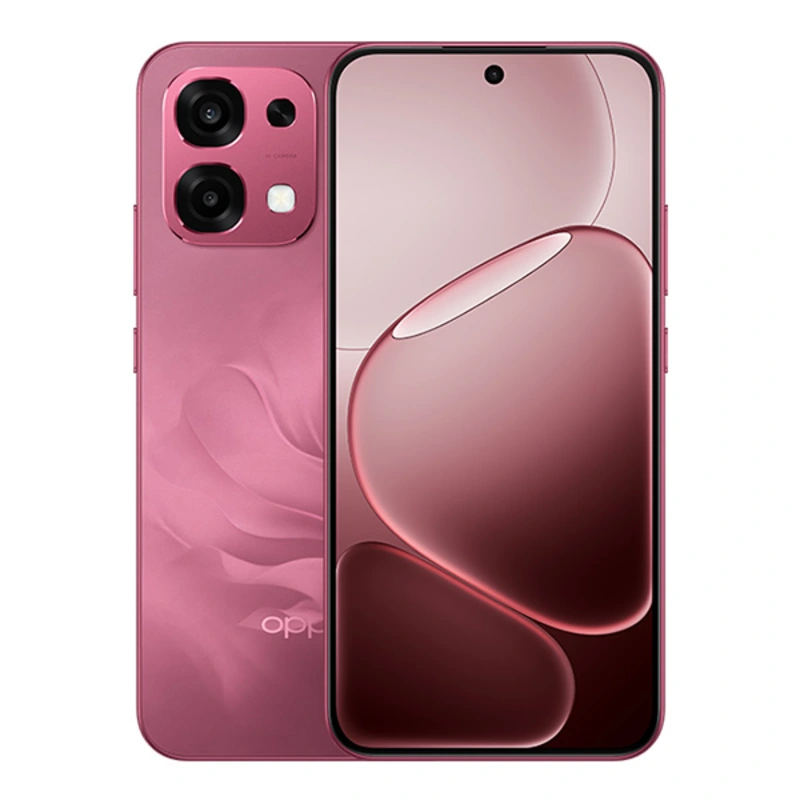
In order to connect to the 5G network, you’ll need to be using a 5G-ready device. These handsets feature a 5G-specific modem, and are also likely to have a larger battery and faster, more powerful processors to support the data-heavy tasks enabled by using 5G.
5G-ready phones will still connect to 4G networks, so you can remain online even if you leave a 5G-supported area.
How fast is 5G?
5G aims to deliver a much faster service than its predecessor, 4G, with download speeds of up to 20Gbps and a latency time (the time taken to open a downloaded file) of ~1 millisecond.
To put this into context, 4G is capable of download speeds of 300Mbps. To download a full-length film on 4G, it’ll likely take you around 2-3 minutes, but on 5G you’ll be ready to press play in 4-40 seconds.
What are the benefits of 5G technology?
5G provides several benefits, some of which are potentially less obvious but still impactful:
• Speed – the most immediate benefits of 5G are faster speeds and lower latency, being able to load pages and download files faster than previous wireless networks
• Reliability – this one will be dependant on other factors like location, but 5G networks are generally more reliable with less drop-out
• Security – smarter encryption and security protocols mean 5G is more secure than 4G; however, this doesn’t mean it’s 100% secure
• Connectivity – this benefit is less obvious, but it has a wide-reaching impact on 5G’s speed and reliability. Advanced technology such as network slicing means 5G networks can essentially be divided into smaller, focused networks; this can help reduce congestion
How to get 5G
Many smartphones are 5G-ready across a wide range of networks, including Vodafone and iD Mobile. We also have a range of phones dedicated specifically to being 5G-compatible.
5G began rolling out around the UK in 2019, and is available in many cities and towns including London, Cardiff, Belfast, Birmingham, Edinburgh, Manchester and more.
The technology is also available across the globe in countries such as the USA, China, Canada, South Korea, Italy and France. This widespread adoption means you can access 5G’s fast connection speeds while travelling, too.
A brief history of mobile networks
Mobile networks might seem relatively modern, but their history reaches back as far as the late 70s.
• 1G – created in 1979; introduced globally in the 1980s
• 2G – introduced in 1993
• 3G – introduced in 2001
• 4G – introduced in 2009
• 5G – introduced in 2019
Conclusion
5G is technology built for the world of streaming and 4K videos. Given how much data these activities can consume